A car inspection is one of the most important services for maintaining your vehicle’s safety, reliability, and performance. Whether you are buying a used vehicle or ensuring your current car is in good condition, a professional car inspection helps identify potential problems before they turn into costly repairs.
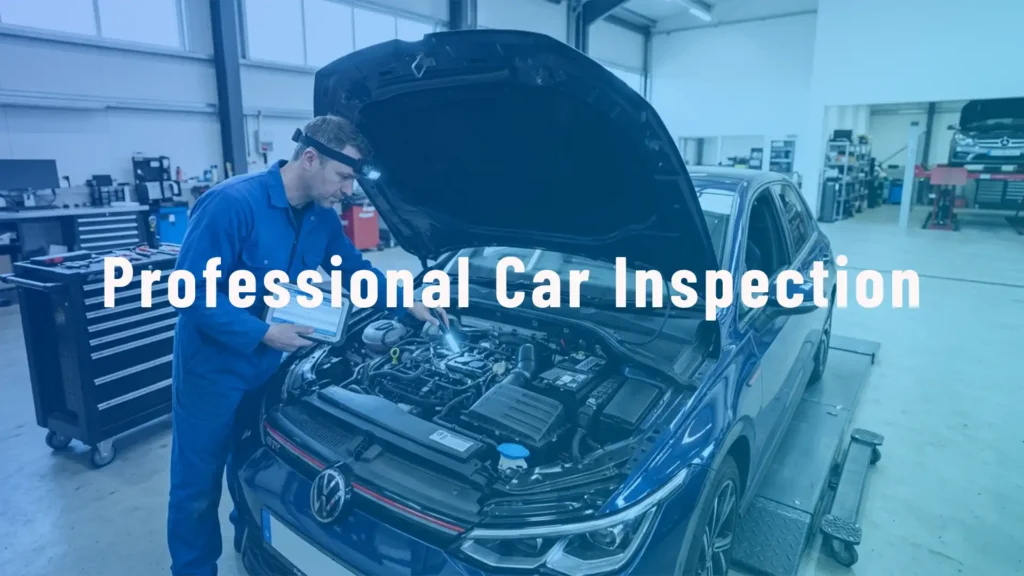
During a professional car inspection , experienced mechanics thoroughly examine several components of the vehicle to ensure everything is functioning properly. Understanding what is included in a car inspection can help drivers make better decisions and maintain their vehicles more effectively.
In this guide, we explain the 10 important things mechanics check during a professional car inspection.
1. Engine Condition
The engine is the heart of your vehicle, so it is one of the first things checked during a car inspection. Mechanics inspect the engine for leaks, unusual noises, worn components, and performance issues.
They also check oil levels, belts, and hoses to ensure the engine is operating efficiently and safely.
2. Brake System
Your vehicle’s braking system plays a critical role in road safety. During a car inspection, mechanics examine brake pads, brake discs, brake fluid levels, and brake lines.
Worn brake components can significantly reduce stopping power, making regular brake checks essential.
3. Tire Condition and Pressure
Tires affect your vehicle’s stability, safety, and fuel efficiency. A professional car inspection includes checking tire pressure, tread depth, and signs of uneven wear.
Mechanics also inspect the alignment and balance to ensure smooth and safe driving.
4. Suspension System
The suspension system provides stability and comfort while driving. During a car inspection, technicians check shock absorbers, struts, springs, and other suspension components.
A faulty suspension system can lead to poor handling and increased tire wear.
5. Battery and Electrical System
The battery and electrical components are also examined during a car inspection. Mechanics test battery voltage, inspect wiring connections, and check the charging system.
This ensures the vehicle starts reliably and all electronic systems function properly.
6. Transmission System
The transmission plays a vital role in vehicle performance. During a car inspection, technicians check transmission fluid levels, look for leaks, and evaluate shifting performance.
Detecting transmission problems early can prevent expensive repairs later.
7. Air Conditioning System
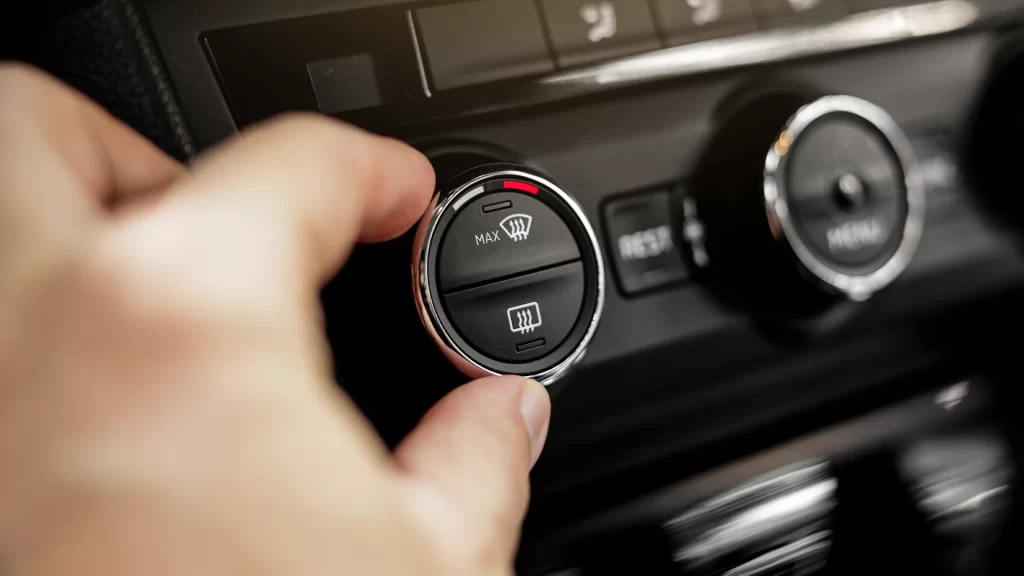
In regions with hot climates, a functioning air conditioning system is essential. A professional car inspection includes checking the AC compressor, refrigerant levels, and air filters.
Proper AC maintenance ensures comfortable driving conditions and prevents system failure.
8. Lights and Indicators
All exterior and interior lights are inspected during a car inspection. Mechanics check headlights, brake lights, indicators, fog lights, and dashboard warning lights.
Proper lighting is essential for visibility and road safety.
9. Fluid Levels and Leaks
Fluids play an important role in maintaining vehicle performance. During a car inspection, mechanics check engine oil, coolant, brake fluid, transmission fluid, and power steering fluid.
They also inspect the vehicle for leaks that could lead to mechanical damage.
10. Exhaust System
The exhaust system controls emissions and reduces engine noise. During a car inspection, technicians check the exhaust pipes, catalytic converter, and muffler for damage or leaks.
A properly functioning exhaust system ensures better fuel efficiency and reduced environmental impact.
Why Regular Car Inspection Is Important
Regular car inspection services help detect mechanical issues early, preventing expensive repairs and improving vehicle safety. Professional inspections also provide peace of mind for drivers by ensuring their vehicle is roadworthy.
A complete car inspection can help:
-
Improve vehicle safety
-
Prevent unexpected breakdowns
-
Extend the lifespan of your car
-
Reduce repair costs
-
Improve fuel efficiency
Whether you are planning a long drive, buying a used vehicle, or simply maintaining your car, scheduling a professional car inspection is always a smart decision.
A professional car inspection involves checking multiple components to ensure your vehicle operates safely and efficiently. From the engine and brakes to the suspension and electrical system, each inspection step helps identify potential problems before they become serious issues.
Regular car inspections not only protect your investment but also ensure safer driving for you and your passengers. If you want your vehicle to perform at its best, scheduling routine car inspection services with experienced mechanics is essential.